How Claude makes a motion graphics video
No video model is involved. Opus writes the animation as code (an HTML page with SVG and JavaScript, a React or Remotion project, sometimes Three.js), steps a headless browser through it frame by frame and pipes the frames into ffmpeg. Music and sound effects are synthesized in code too.
Because every frame is a function of time, loops close perfectly and sound lands on the exact frame. It also means text stays sharp and real: product names, prices and UI copy come out spelled right.
- Deedy Das's launch film used only JavaScript, Playwright and ffmpeg, and cost about $2 of API time.
- Ethan Mollick's recursion video drew every scene in React and SVG and synthesized its music in Python.
- Sarutobi Sasuke's cocktail explainer is one HTML file of SVG and plain JavaScript with no animation library, finished in about 25 minutes.
How to make one with Claude Code
Start Claude Code on Opus 5.5 in an empty folder
Several makers said they installed no skills or plugins: Opus picks its own tools and installs what it needs.
mkdir launch-film && cd launch-film
claude --model claude-opus-5-5
Give it the prompt and your product
Add your site so it can read the pages and write the script itself. A logo file, a screenshot or a reference video helps it match your look.
make a dynamic 15-second motion graphics video that shows what an incredible motion designer you are for https://your-site.com. Visit the pages first to learn about the product, then write the video content yourself. Go all out.Let it render
Expect a few minutes to an hour and a half, depending on length and effort. Ask it to tell you where the MP4 is saved.
Watch it and say what's wrong
Sacha Arbonel's first cut was too fast and the music was weak; one blunt follow-up made it much better. Ask for a slower pace, a royalty-free track or another aspect ratio.
The prompt everyone copied
Many of the videos below start from the same short prompt that went around X: make a dynamic 15-second motion graphics video that shows what an incredible motion designer you are. What makers added to it:
- Your product or site: "for <your url>", or "visit the pages first to learn about the product, then write the video content yourself".
- A frame of reference: "like it's your showreel", "go all out", "a premium developer-tool launch film", "Apple-style".
- A mood or a sound: "psychedelic and hypnotic", or "use the Oppenheimer theme music as inspiration, but compose it yourself".
- A guardrail: "avoid the frames and texts on the corners which are typical AI-made giveaways".
- A reference: a logo, one image, a hand-drawn sketch or another video to match.
Product launch films
Launch films, milestone videos and pitches for real products, most from a single prompt.
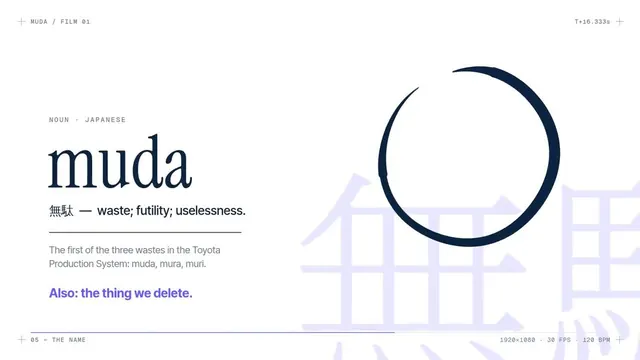
Muda: a launch film for an inference startup, made in a minute for about $2
Deedy (@deedydas) · Claude Opus 5.5 · 3.3K likes · 353.9K views
"Most of inference is waiting. Not anymore." Request grids light up as throughput climbs, then the brand lands. No video model and no extra libraries: Claude animated a web page and recorded it with Playwright and ffmpeg.
Show the prompt (verbatim)
make a modern slick and punchy video for a modern startup that works on inference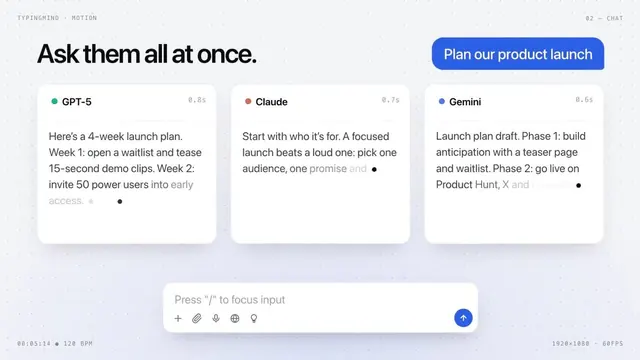
TypingMind: one prompt instead of four weeks with freelancers
Ann Nguyen (@ann_nnng) · Claude Opus 5.5 · 984 likes · 102.8K views
Opus read the product's pages, wrote the script and animated one chat box asking several models at once. One prompt and almost an hour in Claude Code, with no skills installed.
Show the prompt (verbatim)
Make a dynamic 15-second motion graphics video that shows what an incredible motion designer you are. The content should focus on [your product]. You should visit the pages first to learn about the product, then write the video content yourself.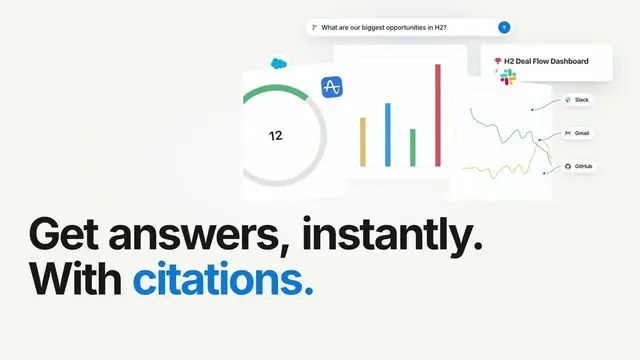
A Notion launch film, with the product picked by Opus
Moritz Kremb (@moritzkremb) · Claude Opus 5.5 · 444 likes · 100.3K views
Told only to choose a SaaS people know and make a professional launch video, Opus picked Notion, pulled real assets from the web and cut a polished feature film.
Show the prompt (verbatim)
I want you to create a highly professional SaaS product launch video. Go and find some SaaS, preferably just one that people know, so it's easier to identify with it. Pick that, and then make sure to get actual assets and images and all of that stuff from the internet. Turn it into these typical, very professionally edited, motion-graphics-styled product launch videos that you see people making on Twitter when they launch new SaaS products (which are showing off the features, the benefits, and all of these things).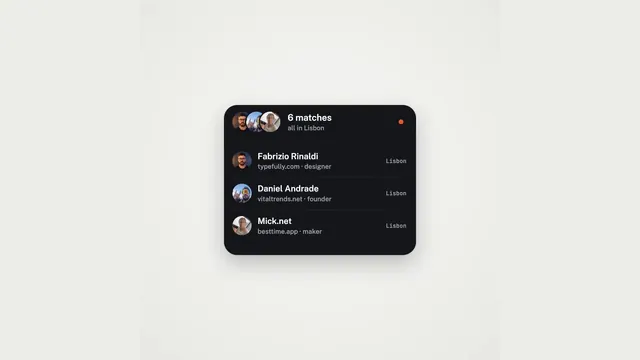
MakerMap: one shape morphing through the whole product
Martijn Verbove (@verbove) · Claude Opus 5.5 · 243 likes · 18.3K views
Twenty seconds of a single shape turning into sign-up, a map pin, 3,393 makers on a globe, matches and search. The springs, cursor and motion blur are deterministic math in one HTML file.
Show the prompt (verbatim)
<inputs>
Ask me for:
• my product + URL
• 8–12 UI states that tell its story
• the real data shown in each state
• brand colors + fonts + accent color
• required formats (1:1, 16:9, 9:16)
</inputs>

<rules>
One HTML file. One canvas
One draw(t) function

No CSS transitions
No timers
No state carried between frames

One shape, never cut

Every state is the same element changing size, radius and color while the content swaps

A cursor drives the sequence with real clicks, typing and one drag

Real UI. Real data. No placeholders.

</rules>
<structure>
120 BPM grid

Something happens on every bea

logo → button → handle field → “is this you?” → loader → pin → globe filling with users → matches → tabs → RSVP → search → logo

</structure>

<motion>
Closed-form springs everywhere with only a tiny overshoot.

If a value changes target multiple times, sum one spring per change

Content enters after its container starts morphing and leaves before the next morph so text never overlaps

Use a short blur on transitions

Never fade black directly into the accent color. Move an accent element between states instead

Make tab indicators stretch by putting each edge on a different spring

Zoom the camera so every state fills the frame

Make the last frame equal the first so the whole thing loops
</motion>

<export>
First render one frame per beat as a contact sheet

Fix anything cramped or broken

Then render every frame in headless Chrome at 60fps, averaging 6 subframes for motion blur

Pipe into ffmpeg:
H.264 + yuv420p

Export all aspect ratios in parallel
</export>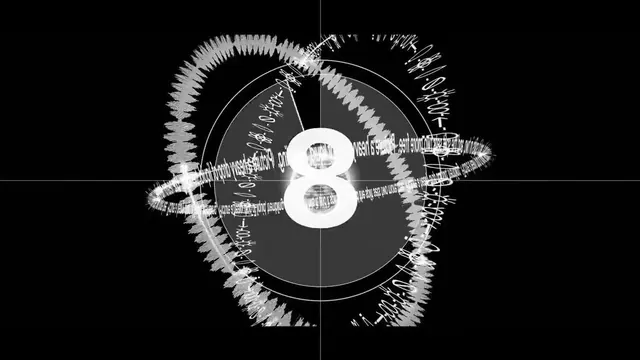
Distilbook, scored like Oppenheimer
Ajith (@ajith_io) · Claude Opus 5.5 · 62 likes · 5.1K views
Two chapters, Fission and Fusion: thousands of golden pages swarm into headlines, a countdown, an explosion, to music Opus composed itself after the film's theme.
Show the prompt (verbatim)
Make a dynamic 40-second motion graphics video on Distilbook that shows what an incredible motion designer you are, like it's your showreel - go all out. Use the Oppenheimer theme music as inspiration, but compose it yourself.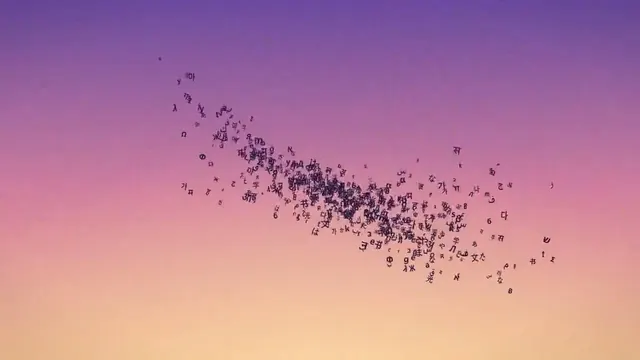
Distilbook: film strips spiralling into a tunnel
Ajith (@ajith_io) · Claude Opus 5.5 · 61 likes · 14.1K views
A rainbow of film strips sweeps across the screen and coils into a glowing tunnel, in the style of a reference video. The final cut has no manual edits.
Show the prompt (verbatim)
Take reference from the given video (download it) and use the same visual style.
and Research about Distilbook. Make a dynamic 30-second motion graphics video on Distilbook that shows what an incredible motion designer you are. like it's your showreel - Go all out.
One thing to keep in mind: it should be cool as fck.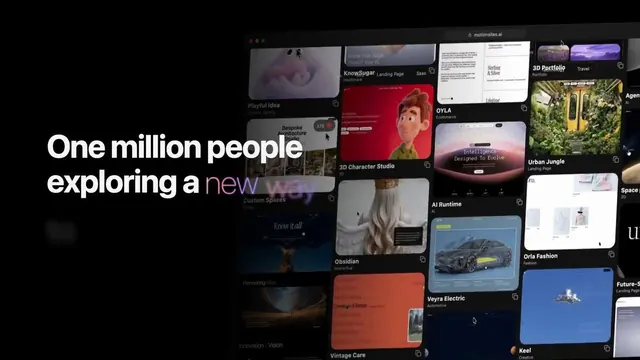
MotionSites hits a million monthly visitors
Viktor Oddy (@viktoroddy) · Claude Opus 5.5 · 110 likes · 11.2K views
A milestone film with a counter racing to a million. One shot in four minutes, with one change.
Show the prompt (verbatim)
Create a launch video for MotionSites AI, just hit 1 million monthly visitors after 8 months after launch.
Famewall: it found the mascot and brought it in
Goutham Jay (@gouthamjay8) · Claude Opus 5.5 · 86 likes · 7K views
A launch film for a testimonials tool. Opus dug into the site's SVGs, found its mascot and put it in the video without being asked.
Show the prompt (verbatim)
I want you to create a highly professional SaaS product launch video. Go and look up [website] Pick that, and then make sure to get actual assets and images and all of that stuff from the internet. Turn it into these typical, very professionally edited, motion-graphics-styled product launch videos that you see people making on Twitter when they launch new SaaS products (which are showing off the features, the benefits, and all of these things). It should show what an incredible motion designer you are, like it's your showreel for a resume. Go all out.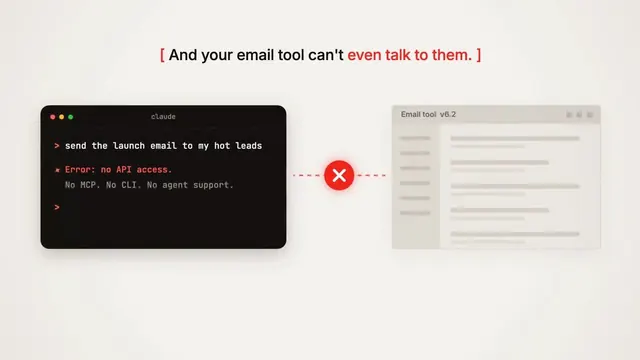
Lumail: email marketing your AI agent can run
Melvyn (@melvynx) · Claude Opus 5.5 · 86 likes · 29.8K views
Dot grids of contacts who never open an email and a bill that keeps climbing, then the pitch. Made in under ten minutes with no skill, just the prompt.
Show the prompt (verbatim)
make a dynamic 15-second motion graphics video that shows what an incredible motion designer you are for <website url>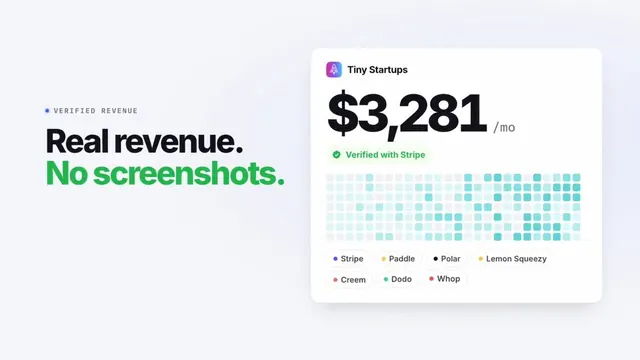
founder.page: every feature in 20 seconds
Jaisal (@RatheeJaisal) · Claude Opus 5.5 · 29 likes · 3.2K views
A fast, on-brand launch film with live revenue and visitor counters. One shot in Claude Code.
Show the prompt (verbatim)
build me a beautiful launch video 20 seconds or under that shows all our key features, make it fast paced and fit our brand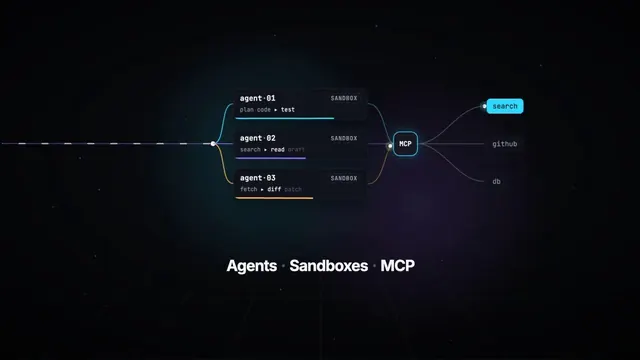
TanStack AI: a developer-tool launch film
Shivay Lamba (@HowDevelop) · Claude Opus 5.5 · 25 likes · 4.4K views
Made with Opus 5.5 and Remotion from one long brief for a premium launch film fit to open a keynote.
Show the prompt (verbatim)
Create and render a 15-second motion graphics video introducing TanStack AI. Make it feel like a premium
  developer-tool launch film produced by Studio1: fast, precise, visually surprising, and polished enough to open a
  keynote or lead a social campaign.

  Use the TanStack AI feature details below as the source of truth. Studio1 is presenting the film; do not imply
  Studio1 built TanStack AI.

  Format and deliverables
  - 1920×1080, 30 fps, exactly 15 seconds; keep important content within a 9:16-safe central area.
  - Deliver the rendered MP4 and the editable project/source. Use Remotion or another code-based motion graphics
  workflow if available.
  - Use real, editable typography and vector-style graphics. Do not rely on AI-generated text inside images.
  - Add an original electronic sound design: a restrained opening pulse, tightly synchronized transition hits, rising
  - Add an original electronic sound design: a restrained opening pulse, tightly synchronized transition hits, rising
  momentum, and a satisfying final resolve. The story must also work muted.

  Visual direction
  Dark graphite canvas; luminous gradients and controlled flashes inspired by TanStack’s identity. Crisp typography,
  kinetic code, layered interface fragments, streaming data, branching paths, and smooth camera moves with convincing
  depth. High contrast and immaculate spacing. Every transition should visually demonstrate a feature, rather than
  simply replace one title card with another. Keep all on-screen wording brief and legible. Avoid generic stock
  footage, spinning logos, fake dashboards, excessive glitch effects, and tiny code nobody can read.

  Exact 15-second sequence
  - 0:00–0:02 — Hook: A single prompt cursor blinks. It sends one signal that expands into a network of
  possibilities. On-screen: “What can one AI API become?”
  - 0:02–0:04 — Core and providers: The signal resolves into chat(); provider nodes connect and swap rapidly without
  breaking the central flow. On-screen: “chat() · 24 providers”
  - 0:04–0:06.5 — Multimodal: One continuous stream transforms into text, waveform, image frame, and video timeline.
  On-screen: “One pattern. Every modality.”
  - 0:06.5–0:09 — Agents and tools: The stream branches into sandboxed agent runs, then reaches external tools
  through MCP. Show distinct runs progressing in parallel. On-screen: “Agents · Sandboxes · MCP”
  - 0:09–0:11.5 — Reliability: An interrupted stream freezes, reconnects, and resumes from the same point; a clean
  type-check confirmation snaps into place. On-screen: “Persistent. Durable. Type-safe.”
  - 0:11.5–0:15 — Reveal: All paths converge into a bold final composition: “TanStack AI” followed by “Build what’s
  next.” Add a small “A Studio1 film” credit, visually subordinate to TanStack AI. Hold the final frame long enough
  to read it.

  Accuracy guardrails
  The supplied article says TanStack AI is in the release candidate phase, supports 24 providers, uses AG-UI, and
  offers composable chat(), media generation, sandbox and agent-harness primitives, MCP, type safety, persistence,
  and resumable streams. Do not call it a stable v1 release. Do not present planned orchestration features as already
  shipped.

  Make the video, inspect the rendered result, and fix any clipped text, weak transitions, mistimed beats, or
  unreadable frames before delivering it. The goal is a memorable showreel, not a slideshow of feature bullets.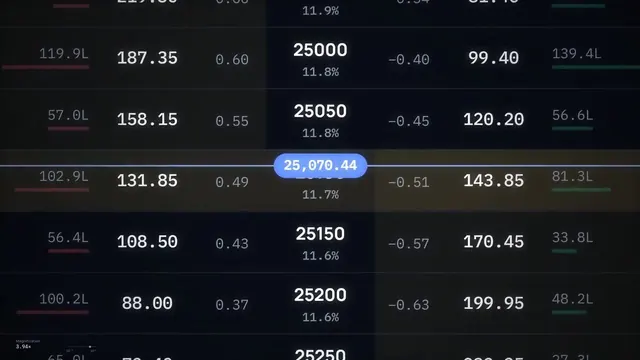
A trading terminal that zooms out to a point in space
Dale Vaz (@dale_vaz) · Claude Opus 5.5 · 23 likes · 2.8K views
From a single dot to charts, positions and an option chain, out until the desktop is a speck in space, then back in to a phone. A single shot.
Show the prompt (verbatim)
create a self contained aesthetically pleasing, breathtaking animation of the Sahi Trading Terminal. it should start with a single dot on a black screen and then have multiple windows show up on the screen such as Charts, Positons , Option Chain, Watchlist. And zoom into and out at multiple scales. Finally the camera zooms out to make the desktop look like a point in space. And then it zooms back in to reveal a mobile screen in landscape mode with a chart in one half and an option chain in another. The video ends in Sjngle Screen Trading on SAHI
use javascript for it. be detailed and accurate. it should be visually stunning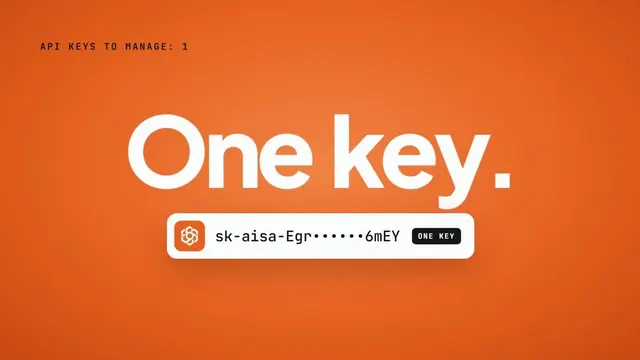
AIsa: thousands of API keys become one
Rafael (@0xfemyn) · Claude Opus 5.5 · 9 likes · 669 views
A swarm of key names collapses into a single orange key. One prompt, one shot.
Show the prompt (verbatim)
make a dynamic 15-second motion graphics video for AIsa. Go all out.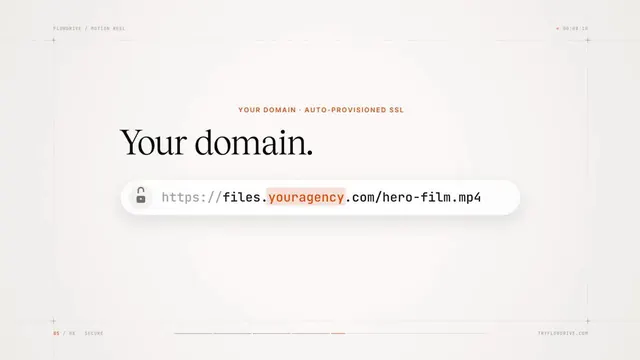
Flowdrive: stream in 4K, delivered everywhere
Manuel Ogomigo (@manuelogomigo) · Claude Opus 5.5 · 6 likes · 1.7K views
A dark, editorial film for a file-delivery product: layered terrain, a glowing dotted globe, a custom domain. No skills, sound on.
Show the prompt (verbatim)
make a dynamic 15-second motion graphics video that shows what an incredible motion designer you are, like it's your showreel for a flowdrive. go all out.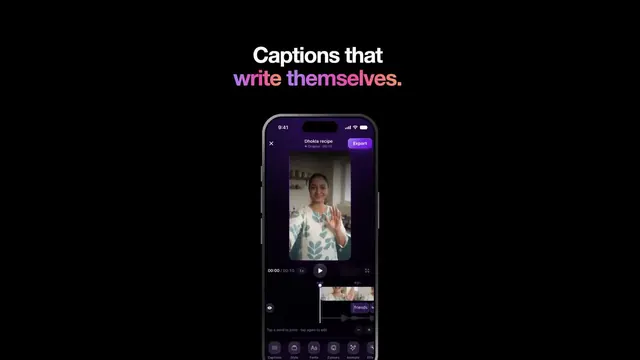
Matra: an Apple-style film for an app
Gautam (@gautam_mer1) · Claude Opus 5.5 · 4 likes · 255 views
Thirty seconds in Remotion and React: SF Pro type, a titanium iPhone, captions synced word by word to a real voice, and music.
Show the prompt (verbatim)
an Apple-style 30s video of my app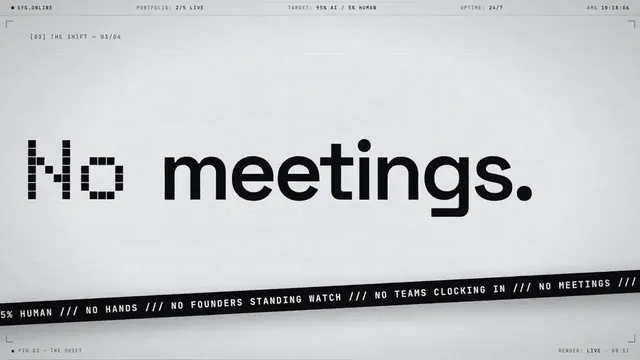
No Hands Labs: companies that build themselves
iamrobinvv (@robvjourney) · Claude Opus 5.5 · 2 likes · 247 views
Lime-on-black type and a dot-matrix 95% for a studio of AI-run companies.
Show the prompt (verbatim)
Can you make a 15-second motion graphic video of https://nohandslabs.com? Go ALL OUT and make the most badass video you possibly can use everything you've got.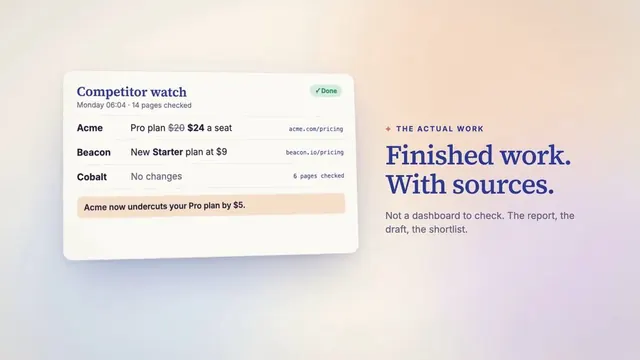
norilu: hand off the work that keeps coming back
Sacha Arbonel (@sachaarbonel) · Claude Opus 5.5 · 12 likes · 2.4K views
Opus read the maker's designs through the pen.dev MCP and made a calm launch film. A blunt second prompt fixed the music and the pacing.
Show the prompt (verbatim)
Create a professional product launch video with motion graphics. You have access to the designs in pen

Follow-up:
It is better, but can you choose a royalty-free song online? You are clearly not a good song maker. Also, I would not hire you or pay you for this as a motion designer. This is not a professional-looking video. Also, it is a bit too fast and bumpy
Bento.surf: a 40-second product film
Yash Gawde (@bizibeast) · Claude Opus 5.5 · 7 likes · 689 views
A playful, phone-first film for a link-in-bio page, from a single prompt.
Show the prompt (verbatim)
Research
http://
Bento.surf. Make a dynamic 40-second motion graphics video on
http://
Bento.surf that shows what an incredible motion designer you are. like it's your showreel - Go all out.
QuickEmailVerify: stop bounces before you hit send
Khondokar MD Asiful Islam (@KmAsiff) · Claude Opus 5.5 · 3 likes · 180 views
A SaaS-style film for an email checker, from typing an address to a cleaned list. Opus 5.5 on high effort.
Show the prompt (verbatim)
make a dynamic 20-second motion graphics video that shows what an incredible our email verify tool is, put all the use case you can imagine. go all out'
i want you to make it really modern and saas style. inspiration is yc videos and claude social videos
Orbe: everyday spending in isometric 3D
Felipe Möller (@felipemoller) · Claude Opus 5.5 · 1 likes · 246 views
A vertical film for a spending app: a supermarket, a petrol station and a restaurant, each logging a purchase. The maker says it took more than one prompt.
Show the prompt (verbatim)
Use apenas: JavaScript, Playwright e FFmpeg. Faça um vídeo moderno, elegante e impactante para meu produto (https://lp.meuorbe.com.br). Quero que simule os gastos em estabelecimentos do dia a dia, como mercado, posto de gasolina e restaurante.

Faça no formato 9:16.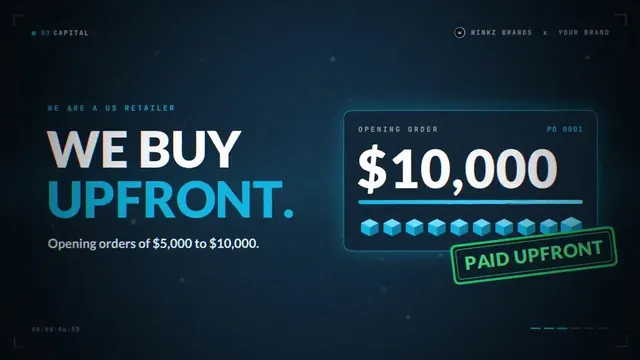
A pitch film for an Amazon wholesale business
Tyler (@ceowinkz) · Claude Opus 5.5 · 239 views
Fifteen seconds pitching brands, with price-protection and buy-upfront counters.
Show the prompt (verbatim)
make a dynamic 15 second motion graphics video pitching my Amazon wholesale company, Winkz Enterprises, to a brand. show why they should let us sell their products. go all out.
QueryGlow: a launch film in Anthropic's style
Max (@iamMXFSCHR) · Claude Opus 5.5 · 94 views
A quiet, serif film for a self-hosted database tool, asked for "a la Anthropic" in German, with music added at the end.
Show the prompt (verbatim)
nice. wir brauchen ein launch video für den release. kannst du das machen? so a la anthropic like? hab da was gelesen und der prompt war ""make a modern slick and punchy video for a modern startup that works on inference"
"""

"""
los, überrasch mich! hauptsache es geht viral
"""

"""
ja wo ist das video? i sehe nur eine .cinfig datei was als video abspielbar ist
"""

"""
können wir da noch eine trendige musik hinterlegen?
"""
Logo reveals and brand films
Stings and ads built from a logo, a reference image or a famous ad.
An ad for Opus 5.5, after Apple's 1984
1LittleCoder (@1littlecoder) · Claude Opus 5.5 · 56 likes · 3.5K views
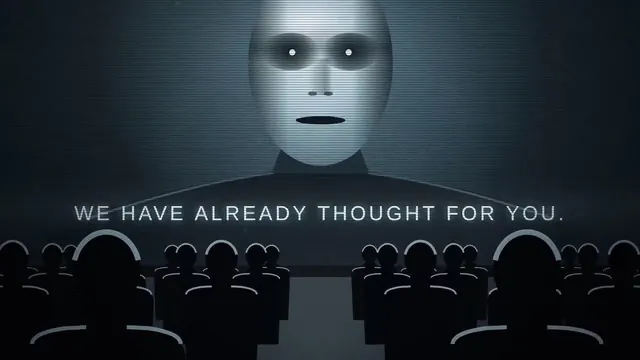
A runner with a hammer, rows of grey figures and a giant face on the screen, made only from code. Opus even checked the sound levels.
Show the prompt (verbatim)
create a 30 second ad for Opus 5.5 inspired by Apple 1984 ad, iykyk! avoid the border text or frames!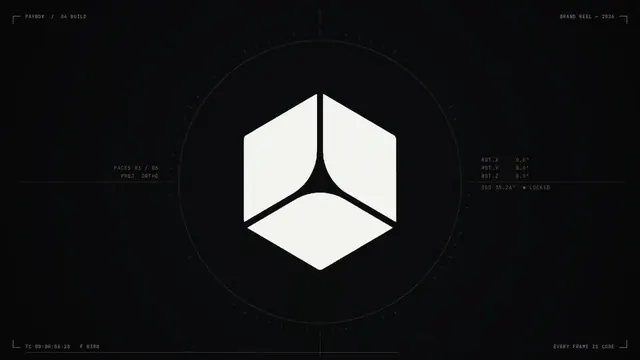
PayBox: a brand sting from just a logo
Valure (@0xValure) · Claude Opus 5.5 · 35 likes · 6.9K views
The agent read the logo, found the company, wrote the scenario and built a ten-second sting in one pass.
Show the prompt (verbatim)
Make this PayBox logo into a reel. Pretend you are a world-class motion designer. Make a 10-second dynamic video like the reference
PaymentForm: a logo built from low-poly shards
Abdul kaioum (@Mounnna) · Claude Opus 5.5 · 2 likes · 213 views
A wireframe logo fills in shard by shard, the app icon lands and the name types out, with sound.
Show the prompt (verbatim)
Create a motion design video of a slow-reveal transition. Draw the logo as a wireframe first, then fly in faceted low-poly shards one by one until they assemble the logo. Finish by bringing in the app icon background and typing out the brand name.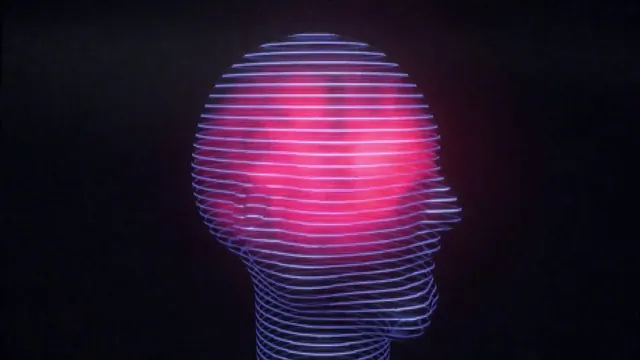
A retro-futuristic Opus 5.5 launch film
John Savage (@johnsavage_ai) · Claude Opus 5.5 · 1 likes · 551 views
A glowing striped head with film grain and a CRT effect, from one prompt and one style reference image.
Show the prompt (verbatim)
use this image only as a style/vibe refference image and create a Opus 5.5 launch video (20 sec long) add film grain and CRT effect, make it mesmerizing, and show off your skills as a motion designer for a retro/futuristic style launch video 16:9
Showreels and kinetic type
Opus showing off as a motion designer: type, loops and pure motion.
Phosphene: a psychedelic motion study
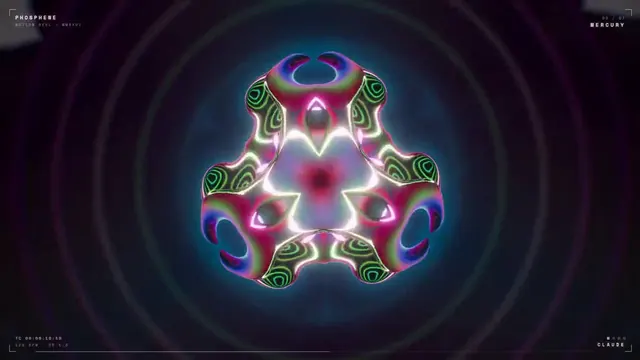
monokern (@monokern) · Claude Opus 5.5 · 57 likes · 4K views
A giant eye, spinning tunnels and kaleidoscopes, with motion and sound by Opus on extra-high effort: 90 minutes of rendering, $14 in all.
Show the prompt (verbatim)
make a dynamic 20-second motion graphics video that shows what an incredible motion designer you are, psychedelic and hypnotic. make it feel like a showreel piece. go all out.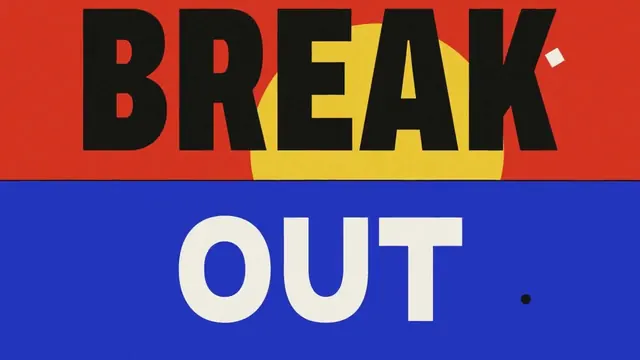
A poster breaking out of its own frame
Pankaj Kumar (@pankajkumar_dev) · Claude Opus 5.5 · 39 likes · 4.5K views
Big red and blue type punches through its poster. Opus composed the soundtrack and synced every hit to the beat.
Show the prompt (verbatim)
create a motion design video of a poster breaking out of its own frame.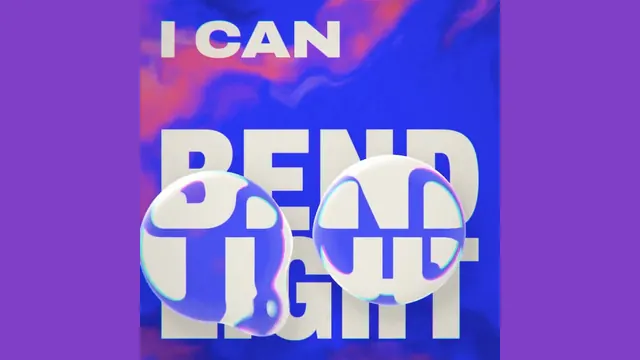
I CAN: blur, loop, render, swarm, bend light
Eugene C (@zheke) · Claude Opus 5.5 · 22 likes · 7.6K views
Bold title cards that each do what they say, from a one-line prompt.
Show the prompt (verbatim)
Hello Opus 5.5 show me what an incredible motion designer you are.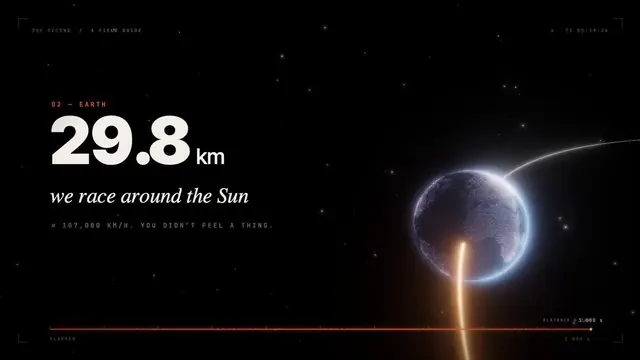
One second on Earth
Nolan Keegan (@nolkeeg) · Claude Opus 5.5 · 1 likes · 368 views
Given no direction at all, Opus chose its own subject: everything that happens in one second, from light circling the Earth to four new people being born.
Show the prompt (verbatim)
Please do not reference any previous memories or skills. I've been seeing all of these motion graphics examples on X of people making cool videos with opus 5.5. So - I want you to just show off for me. You pick the design style, the look, subject etc. I just want to be extremely impressed by the motion graphic video that you create. I want you to destroy GPT 6 when it comes to motion graphics video - because astra just wants to give me a stupid glorified powerpoint presentation.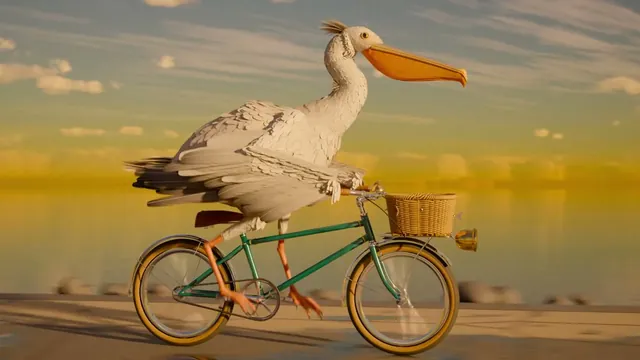
A pelican riding a bicycle, made properly
SugarV · Claude Opus 5.5 · 401 likes
Tired of SVG pelicans, the maker asked for the most detailed one possible. Opus 5.5 wrote it all in Claude Code: a Blender scene rendered in Cycles, a Rust cloud renderer for a 12K sky, about 24,000 feathers, a bike with 36 spokes and 92 chain links, plus the music. No ready-made models, textures or music.
Show the prompt (verbatim)
Every time a new model comes out, everyone has it draw "a pelican riding a bicycle" to judge its spatial ability, and it's almost always animated with HTML and SVG. I'm honestly tired of looking at them, so I want you to make the most complex, most detailed, most beautiful animated video of "a pelican riding a bicycle". You can use any technology. There's no rush; you can spend a whole day drawing it.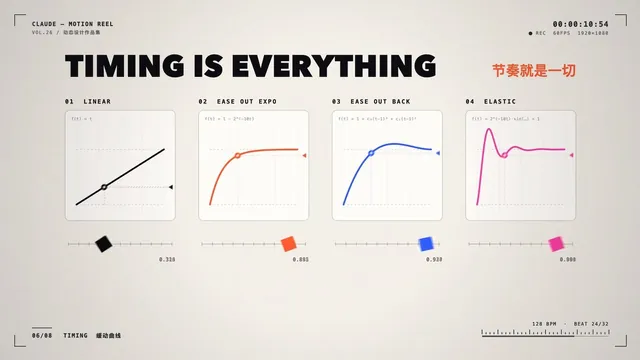
Claude, motion designer: a 15-second reel from one sentence
新旧 · Claude · 2.3K likes
A portfolio-style reel: particle lettering, easing curves under "Timing is everything", liquid type and an orange end card tallying 899 frames, 8 scenes and 1 keyframe. From one sentence in Chinese.
Show the prompt (verbatim)
做一段15秒的动效视频,展示你是个多么厉害的动效设计师,就像简历用的作品集,全力以赴。
A showreel with music made from scratch
Prasenjit (@prasenx) · Claude Opus 5.5 · 206 likes · 15.1K views
The maker knows nothing about motion design. Opus wrote the code for every frame and synthesized the music, no samples, in Cursor.
Show the prompt (verbatim)
make a dynamic 15-second motion graphics video that shows what an incredible motion designer you are, like it's your showreel for a résumé. go all out.

compose the soundtrack yourself, fully synthesized in code. no samples, no audio files, no VST instruments. every cut and transition must land on the beat.

1920x1080, 60fps. render the final video with the music mixed in as an MP4 and tell me where it's saved.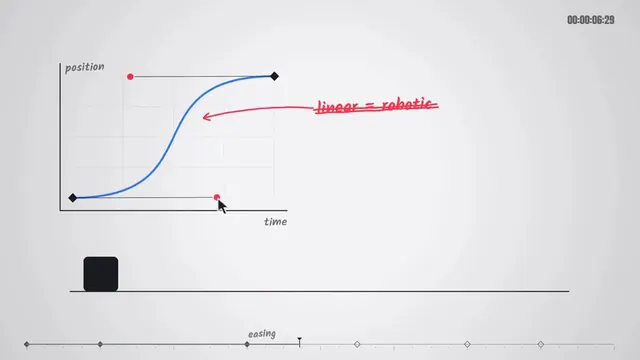
I make things move: Motion Designer Claude
摸鱼巨匠 (@ChatGptAstra) · Claude Opus 5.5 · 63 likes · 10.1K views
Kinetic type that spins and snaps, a lesson in easing curves and an end card, from a one-line Chinese prompt.
Show the prompt (verbatim)
以动态设计师的高级审美,制作一段动态的15秒动态图形视频
A designer's portfolio, turned into a film
Mallik Cheripally (@heyiammallik) · Claude Opus 5.5 · 4 likes · 343 views
Opus went through every screen of the maker's portfolio and open source work and made a bold reel in one shot.
Show the prompt (verbatim)
you are a pro motion designer. analyze my portfolio and make a ~30 second video from it. check what are the recent trending techniques used for motion and sound design. question your strategy and plan, if it doesn't feel like done by a pro designer, start over. every frame matters from the first frame to the final frame. go crazy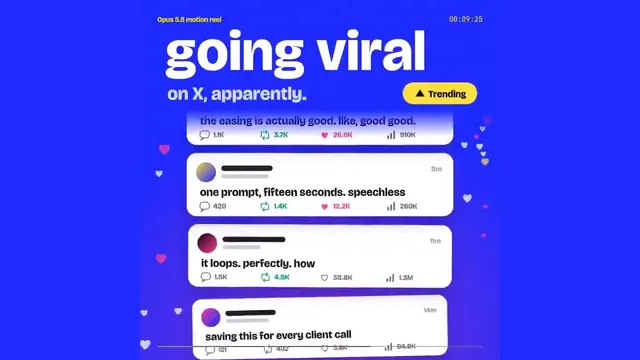
Rhythm, type, loops: it thinks in curves
Ishaaq Ahamed (@Ishaaqahamed) · Claude Opus 5.5 · 2 likes · 529 views
Square loops of colour-blocked type and a bezier curve drawn live, on Opus's claim that it writes the math instead of keyframes.
Show the prompt (verbatim)
Make a dynamic 15-second motion graphics video that shows why [your product] is the best at [what it does], like a showreel. Go all out: 1080×1080, 1s hook, loop.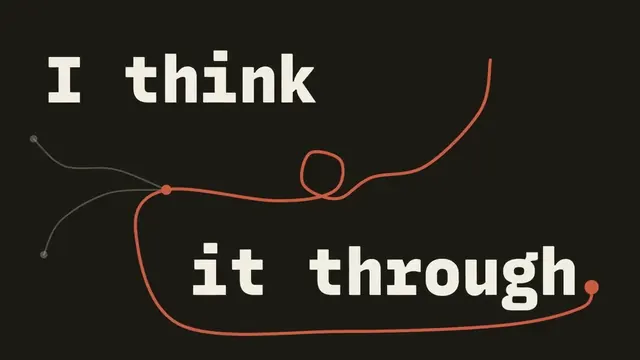
Hi, I'm Claude: Opus 5.5 introduces itself
Sourav Bhar (@souravbhar871) · Claude Opus 5.5 · 120 views
Ten seconds of type: "I read every word", "I think it through", "I tell it straight", "I build with you".
Show the prompt (verbatim)
make a dynamic 10-second motion graphics video that shows who are you as Opus 5.5 - be as creative and dynamic as possible. Avoid the frames and texts on the corners which are typical ai made giveaways!
A ten-second film about the person asking
Madhav (@Madhav_XO) · Claude Opus 5.5 · 7 likes · 241 views
Asked for a video on whatever it knew about the maker, Opus made a particle film about his work.
Show the prompt (verbatim)
make a 10 sec video on whatever you know about me
Explainers
Recipes, history and computer science, explained in motion.
Recursion, explained in nine genres
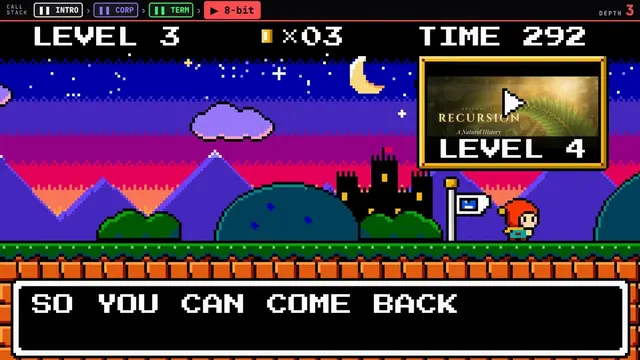
Ethan Mollick (@emollick) · Claude Opus 5.5 · 560 likes · 71.6K views
Each explanation switches to a different style, from a retro game to film noir. A genuine one-shot: scenes in React and SVG, music and sound synthesized in Python.
Show the prompt (verbatim)
A video explaining recursion, where every explanation about recursion has a radically different video style, make this self-referential & clever & fast moving.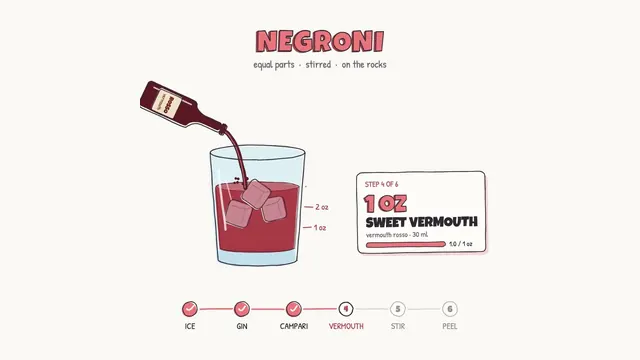
A Negroni, poured step by step
Rory Flynn (@Ror_Fly) · Claude Opus 5.5 · 1K likes · 81.2K views
A recipe explainer that fills the glass ingredient by ingredient, rendered in HTML from one image.
Show the prompt (verbatim)
We're going to try a little test. Do you think you could render a recipe motion graphic animation using javascript or html (w/e you think will produce the best) to show the full recipe from start to finish (empty glass to completed cocktail) - Explainer video style - Showing the recipe ingreidents + measurements as they're going into the cup. Should be a 30s video.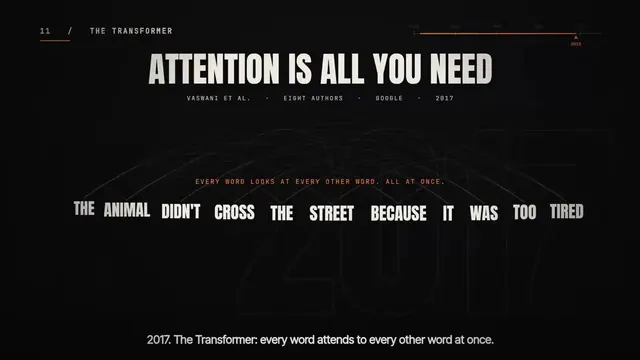
83 years of AI in under three minutes
klöss (@kloss_xyz) · Claude Opus 5.5 · 197 likes · 10.7K views
Research, script, animation and real recorded sounds: all 5,160 frames coded by Claude from one prompt.
Show the prompt (verbatim)
make a video highlighting key moments in the history of AI.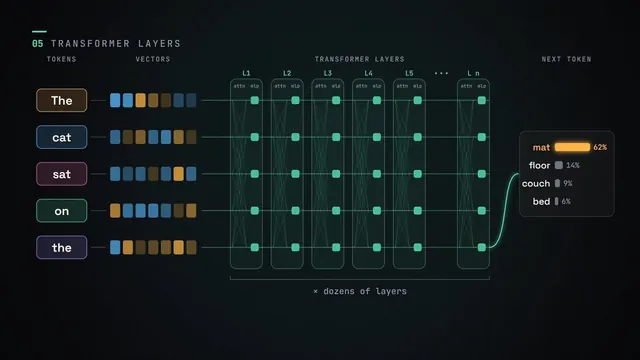
How LLMs work, as a motion graphic
Matthew Berman (@MatthewBerman) · Claude Fable 5.2 · 100 likes · 7.9K views
Tokens, embeddings, attention and transformer layers, each its own scene, from Matthew Berman's Fable 5.2 test.
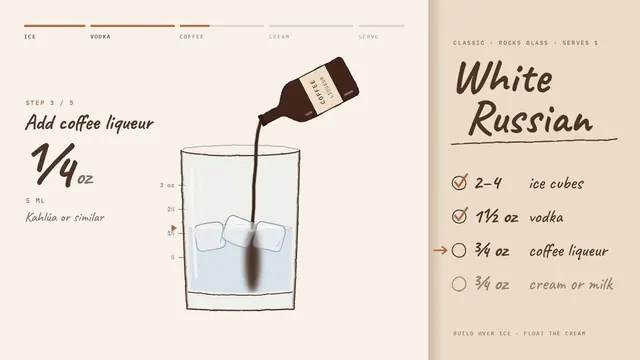
A White Russian in a hand-drawn style
Sarutobi Sasuke (@Sarut0biSasuke) · Claude Opus 5.5 · 22 likes · 1.3K views
From a sketch and one prompt, a 1080p MP4 about 25 minutes later: one HTML file of SVG and plain JavaScript, no animation library.
Show the prompt (verbatim)
Render a recipe motion graphic animation using JavaScript or HTML (whatever you think will produce the best result) to show the full recipe for a White Russian from start to finish, empty glass to completed cocktail. Explainer video style, showing the ingredients and measurements as they go into the glass. It should be a 30s video.
More videos and the full list
The full list, with three stills per video and every prompt, is on GitHub: awesome-claude-motion-video.
For 3D worlds and short films made with Claude's newest model, see Claude Fable 5.2 videos on GitHub, and our guide to Claude Fable 5.2 for what changed and how it compares with Opus 5.5.
FAQ
Can Claude Opus 5.5 make videos?
Yes, by writing code. It builds the animation as a web page or a Remotion project and renders it frame by frame to an MP4, with music it synthesizes itself. It doesn't generate footage the way a video model does, which is why text, numbers and UI come out crisp.
Do I need a skill, Remotion or After Effects?
No. Several makers said they used plain Claude Code with no skills: Opus chose the tools itself, usually Playwright or headless Chrome plus ffmpeg, sometimes Remotion.
How long does it take and what does it cost?
From about a minute and $2 (Deedy Das) to an hour and a half of rendering and $14 on extra-high effort (monokern). Most makers reported one prompt and a few minutes to an hour.
Where does the music come from?
Opus usually composes and synthesizes it in code, in Python or JavaScript, and times the hits to the cuts. A few makers asked it to use a royalty-free track instead.
Can I use these prompts?
The prompts are the makers' own, quoted from their posts. Try them on your own product; the videos themselves belong to their makers.
Likes, views and prompts checked on each original post on X or Xiaohongshu on November 12, 2026.