Wie Fable 5.2 Video macht
Videogenerierung mit Fable 5.2 heißt: um eine Szene oder einen Kurzfilm bitten und Fable alles als Programm bauen lassen, die Modelle, die Kamera, das Licht und oft die Musik. Manche Macher rendern es als MP4, andere teilen die Szene als Seite, die man öffnen und erkunden kann.
- 0kncns 90-Sekunden-Anime wurde Einstellung für Einstellung in Blender per Python gebaut, mit einem in numpy geschriebenen Soundtrack.
- Marcels goldenes Schiff ist reines Three.js, ohne Blender und ohne externe Modelle: etwa 38 Minuten und 17 $ mit mittlerem Effort.
- Peter Gostevs Istanbul, das beliebteste von allen, lief auf Fable 5.2 Max für etwa 46 $.
- Dantes UFO-Film entstand aus einem Satz, mit three.js und Remotion, ohne Texturen oder Archivsounds.
So machst du eines in Claude Code
Starte Claude Code mit Fable 5.2
Fable 5.2 braucht einen Pro-Plan oder höher oder API-Zugang. Für eine Szene als teilbare Seite reicht ein leerer Ordner; für Blender installier Blender, damit Fable es per Python steuern kann.
mkdir my-film && cd my-film
claude --model claude-fable-5-2
Beschreib die Szene oder den Film Einstellung für Einstellung
Ein Satz reicht ("make me a 30 second video of a UFO visiting Area 51 and greeting humans, ultra detailed, cinematic lighting"); lange, präzise Prompts wie der zu Paris 1888 unten geben mehr Kontrolle.
Lass es rendern oder live laufen
Bitte um ein MP4 mit fester Auflösung und Bildrate oder um eine einzige HTML-Seite, die sich im Browser öffnen und teilen lässt.
Kurzfilme und Animation
Kurze Filme mit Kamera, Geschichte oder Soundtrack.
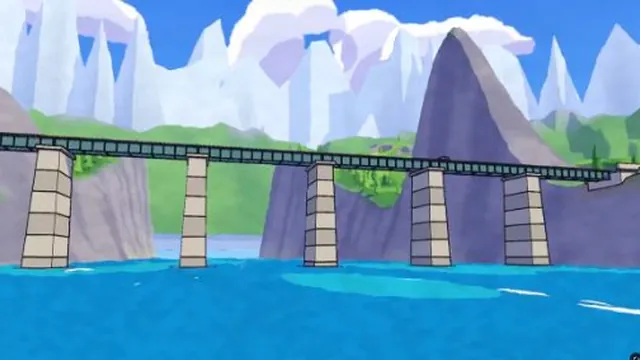
Ein 90-Sekunden-Anime: Eine Dampflok wird zum Roboter
0kncn (@0kncn) · 409 Likes · 69.544 Aufrufe
Handgezeichnet wirkender 2D-Anime aus einem Prompt: Fable baute jede Einstellung in Blender per Python, renderte sie, tuschte jedes Bild in einem zweiten Durchgang und schrieb die Musik Note für Note mit numpy.
Prompt anzeigen (so, wie der Macher ihn geteilt hat)
Create a 2D anime short. It must look completely like real Japanese anime, as if it were taken directly from a finished theatrical anime film. This is traditional-looking, hand-drawn 2D anime, not a 3D animation, a moving illustration, or a stylized web graphic.

Build everything in Blender from Python, render it in Eevee, then ink and paint every frame in a second pass. Deliver one 1920x1080, 24 fps MP4 with a synthesized soundtrack. Use any tools, libraries, references, guides, literally anything, as long as the final result looks 100% like hand-drawn 2D anime.

Use theatrical anime as the art style reference for the design, line work, painted backgrounds, color and atmosphere. The film is 90 seconds long (2160 frames), in 42 shots. Its hero is a steam locomotive that transforms into a robot. No people appear in the film.

HERO
No. 9, a 1940s 2-8-2 freight locomotive with a four-axle tender, 23 m long, asleep for decades in a mountain engine shed: matte black boiler with rust runs, faded red wheel centres and buffer beam, brass number plate "9", one large headlamp, two amber marker lamps, moss on the running boards, ivy through the cab windows, and a stork's nest on the cab roof. As a robot it stands 21 m tall with its shoulders at 17 m. It is an original design, not a character from any existing series. It moves on twos, slow and heavy. Its wheels never slip and its feet never slide.

TRANSFORM
One transformation, at full speed, 120 frames, in five stages of 24 frames. Every part is rigid: nothing stretches, nothing vanishes, nothing appears. Each part travels on a hinge or a slide you can see.
1. Legs: the tender uncouples, splits lengthwise and swings down; its two bogies lock as feet, the coal stays in bunkers on the calves.
2. Hips: the cab drops and widens into the pelvis; the trailing truck folds onto the lower back.
3. Torso: the boiler tilts upright, firebox at the waist, smokebox at the top; the chimney and steam dome end on the upper back and keep venting.
4. Arms: the running boards swing out with the cylinders as shoulders, the piston and connecting rods as forearms, and hands with three fingers and a thumb unfolding from the valve gear; the front driving wheels ride up as shoulder discs, the rear ones fold to hips and knees.
5. Head: the smokebox door hinges forward as the chest plate with the headlamp at its centre; a riveted helmet rises from the smokebox with one dark visor slit and the two marker lamps as amber eyes; the cowcatcher folds up as a collar.
The cab roof panel rides up to the right shoulder and carries the stork's nest, never tilted more than 10 degrees.
Stages 1-3 happen on the rails, with the first strides landing on the ballast either side of the track. Stages 4-5 happen in the air.

WORLD
A single-track mountain railway at real scale. At the top, an ore mine with a loading bunker and a rake of twelve four-wheel hopper wagons. The line descends through larch forest and a short rock tunnel to a viaduct: seven 18 m steel girder spans on stone piers, 126 m long, the deck 17 m above a turquoise meltwater river 3 m deep. Beyond it, a small station: a stone engine shed, a water tower, a semaphore signal with an alarm bell, a signal box, a siding ending in a sand drag. Snow peaks behind, a cliff face above the viaduct, telegraph poles along the whole line.

STORY
A clear spring morning in the valley. Meltwater loosens the cliff: a rockfall hits the middle pier of the viaduct, the pier collapses into the river and the two girders it carried sag into a V, held only by the rails. Up at the mine the shock snaps a coupling and the twelve loaded wagons start to roll downhill, unmanned. At the station the semaphore drops to danger and the bell rings. In the dark shed the firebox glows, the pressure needle climbs, the headlamp lights; the stork flies up. No. 9 bursts through the shed doors tearing ivy and rust, and charges up the grade with the wagons coming down the other side. On the approach it transforms at full speed, leaps from the abutment, lands crouched in the river, wades to the fallen pier, and lifts the sagging joint onto its shoulders and raised hands. The wagons hit the viaduct: it sinks 0.3 m as each one passes over and holds. The rake runs through the station into the sand drag and stops. No. 9 does not come back out. It locks its knees and stays as the new pier. The steam thins, the stork returns to its nest, the visor dims.

LIGHT
High-key anime light, never murky: a morning sun from the south-east, a saturated cobalt sky, white cumulus with lavender shadows, snow peaks with blue shadows, fresh green larch, a turquoise river with drawn white water. Light only changes with a cause you can see: rock dust dims the gorge for 3 seconds, steam whites out a frame, the firebox throws orange onto the shed walls. Cel light with hard shadows, gouache backgrounds, ink lines on every machine, rail and building, effects drawn on twos: steam as inked rolling shapes with a flat shadow tone, water as inked sheets with foam crowns, dust as drawn clouds, never particle mush.

SOUND
A synthesized orchestra on a 144 bpm grid: one beat is 10 frames, and every cut lands on a multiple of 5 frames. A hopeful theme on clarinet and horn, the collapse in E minor, a 12/8 chase with the exhaust chuff as percussion at four beats per wheel revolution, a heavy 3/4 for the hold with one low drum per wagon. 16 hits land exactly on the picture: the rockfall, the pier, the coupling, the signal arm, the shed doors, each transformation lock, the landing, the lift, the first and last wagon. The steam whistle is heard twice: once on waking, once on the hold.

FORMAT
Write the film as a Python story clock: one state per frame for every pose, camera, wheel angle, rod position, transformation part, wagon, effect and sound cue.

CHECKS
Before the final render a script tests every frame on the real meshes: no part of No. 9 goes through another part, in either form or at any frame of the transformation; the total volume of its parts is the same in both forms; every wheel on a rail turns exactly as far as it travels; planted feet do not move; No. 9 never goes through the track, the shed, the viaduct or the riverbed; the wagons stay on the rails and never touch each other except at the couplings; the camera never enters a mesh, the cliff or the water; nothing jumps between frames.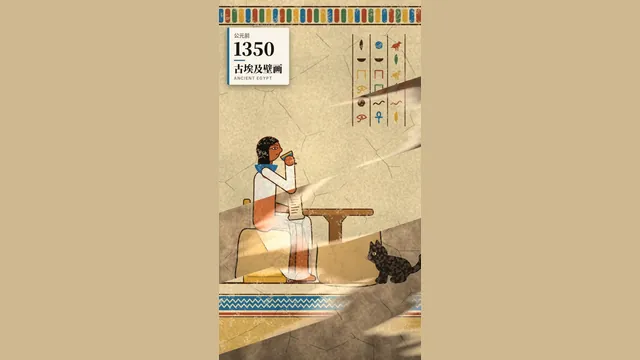
40.000 Jahre Kunstgeschichte in einem Prompt
Tommy618 · 315 Likes
Dieselbe Person und dieselbe Katze in jeder Epoche neu gezeichnet, vom ägyptischen Wandbild über Van Gogh, Mondrian und Pixel-Art bis 2026. Rund 4.900 Zeilen Code, ohne Bildmodell.
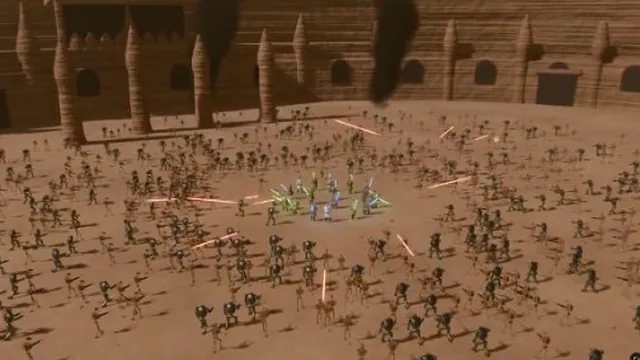
Eine Star-Wars-Schlacht, gebaut in Blender
Aditya (@adityavg13) · 292 Likes · 44.317 Aufrufe
Der Blender-Test, den der Macher jedem neuen Modell stellt: über tausend Droiden, Kanonenboote und Laserfeuer in der Arena. Ein Prompt, 1,5 Stunden inklusive 20 Minuten Rendern.
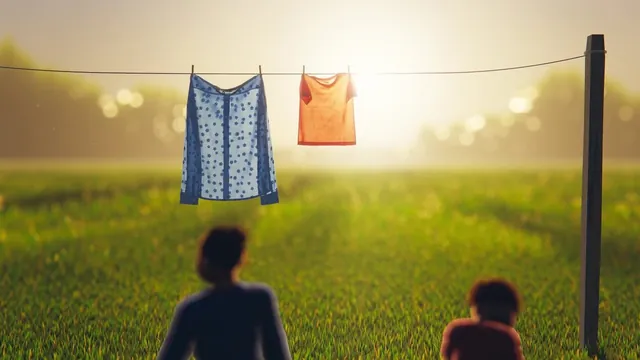
Wäsche an der Leine im Nachmittagslicht
Dan Fein (@dfeinition) · 210 Likes · 8261 Aufrufe
Zwei Menschen sehen Hemden an einer Wäscheleine auf einer sonnigen Wiese flattern. Falten, Licht durch den Stoff, Kamera und Ton sind alles Code.
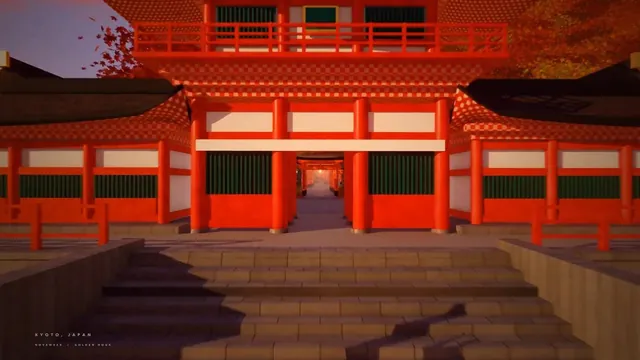
Ein Reise-Spot für Fushimi Inari im Herbst
Peter Yang (@petergyang) · 83 Likes · 10.020 Aufrufe
Zwanzig Sekunden Schrein in Kyoto, ein Lauf durch den roten Torii-Tunnel und eine Titelkarte im Sonnenuntergang, komplett in Code, Musik inklusive.
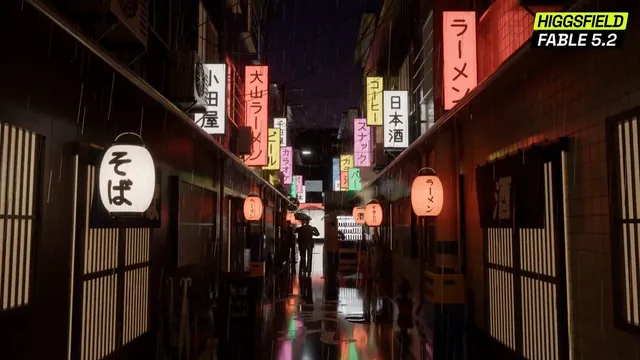
Eine verregnete Gasse in Tokio, ohne Videomodell
Higgsfield AI (@higgsfield_ai) · 68 Likes · 11.154 Aufrufe
Regen, Pfützen und Neonspiegelungen, ein Verkehrsspiegel, der wirklich spiegelt, und lesbare japanische Schilder. Gepostet von Higgsfield.

Eine Kristallknospe, dann ein Flug über violette Felder
每天懂点AI · 176 Likes
Eine bereifte Blütenknospe, dann ein Tiefflug über Wiesen, verschneite Gipfel und violette Blumenfelder. Laut Macher eine halbe Stunde Arbeit.

Ein Haustier-Roboter zum Selberbauen
Matt Shumer (@mattshumer_) · 151 Likes · 138.373 Aufrufe
Matt Shumer bat um einen Roboter, den er in seiner Wohnung bauen könnte, und bekam einen kleinen runden Roboter, der aufwacht, den Arm schwingt und mit einem Ball spielt.
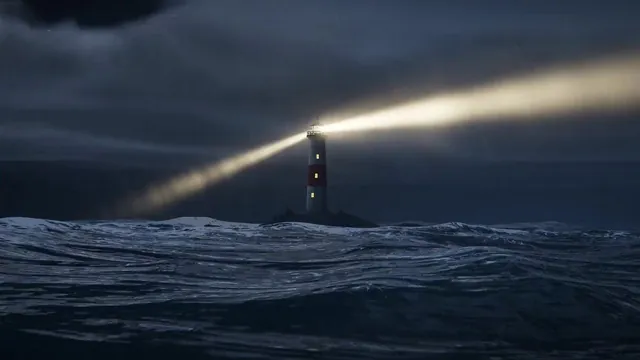
Ein Leuchtturm im Sturm
rohit (@rohit3a) · 52 Likes · 1861 Aufrufe
Ein Lichtstrahl streicht über eine aufgewühlte Nachtsee, bis sich die Wolken um den Mond öffnen. Hoher Effort, mit Ton.
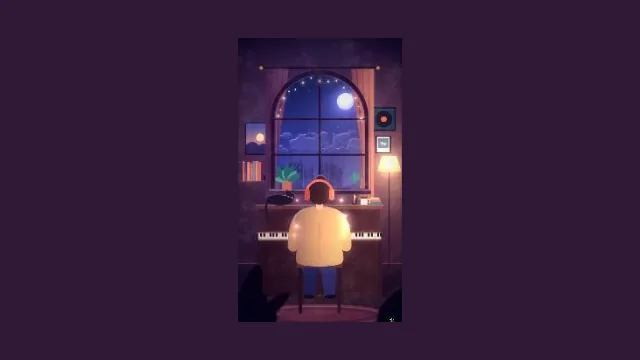
Ein 46-Sekunden-Film ohne ein einziges generiertes Bild
Cube (@cube__lol) · 14 Likes · 624 Aufrufe
Ein Junge am Klavier: jedes Bild gezeichnet und jede Note gespielt von Code, den Fable schrieb, ohne Bild- oder Videomodell.
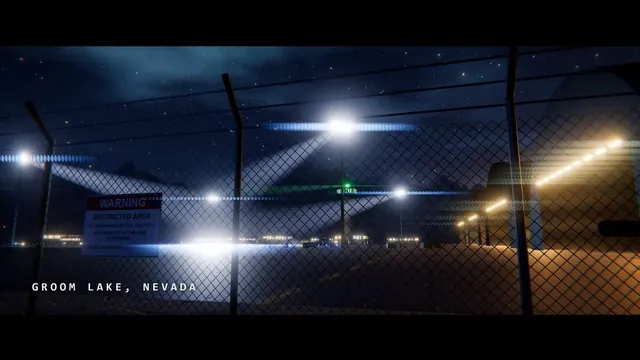
Ein UFO landet in Area 51
Dante (@danteeonsol) · 3 Likes · 209 Aufrufe
Ein Film mit fünf Einstellungen und 30 Sekunden in three.js und Remotion aus einem Satz: keine importierten Modelle, Texturen oder Archivsounds, gerendert in 4K.
Prompt anzeigen (so, wie der Macher ihn geteilt hat)
make me a 30 second video of a UFO visiting Area 51 and greeting humans, ultra detailed, cinematic lighting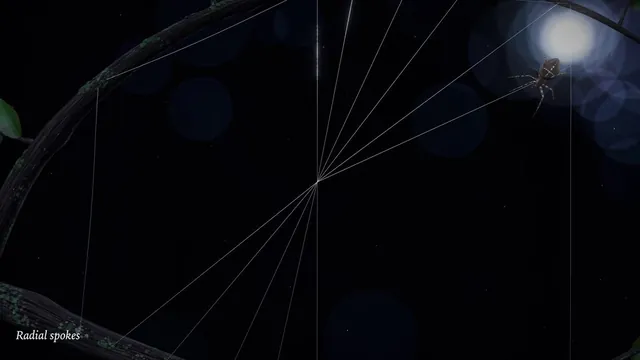
Eine Spinne webt das Claude-Logo in ihr Netz
sudoPhoeniX (@sudoPhoeniX) · 1 Likes · 79 Aufrufe
Im Mondlicht spinnt eine Spinne ihr Netz Schritt für Schritt und webt bis zum Morgengrauen das Claude-Logo in die Mitte.
3D-Welten und Dioramen
Städte, Schiffe und Inseln; einige sind Live-Seiten zum Erkunden.
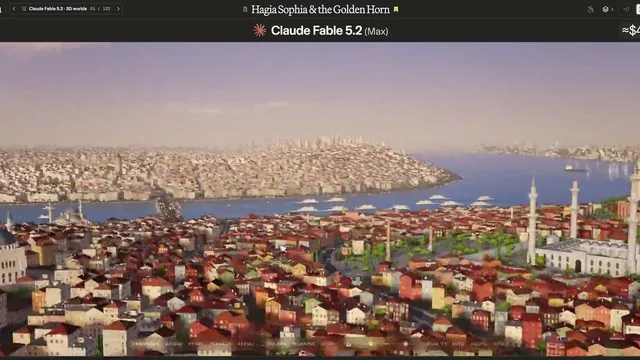
Istanbul, gebaut aus einem Prompt
Peter Gostev (@petergostev) · 2892 Likes · 468.102 Aufrufe
Die Stadt aus der Luft: Hagia Sophia und Goldenes Horn, Fähren auf dem Bosporus und die Skyline in der Dämmerung. Fable 5.2 Max, etwa 46 $.
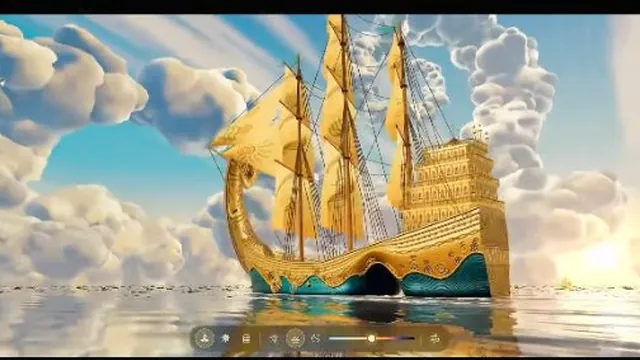
Auric Voyage: ein goldenes Schiff über den Wolken
Marcel (@marcthecreatorr) · 111 Likes · 4843 Aufrufe
Ein goldenes Segelschiff über volumetrischen Wolken, mit Tag-Nacht-Wechsel und einem Deck, das man betreten kann. Nur Three.js, etwa 38 Minuten und 17 $.
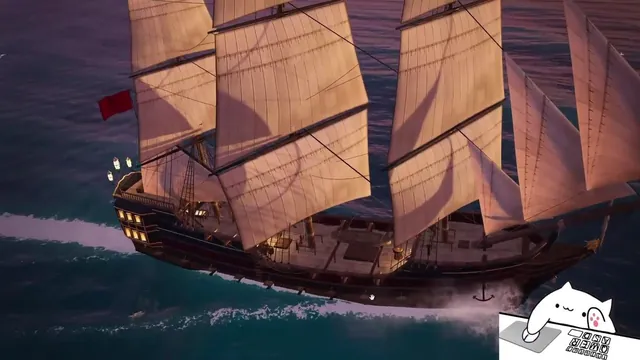
Ein Piratenschiff im Sonnenuntergang
J A Z I I (@notjazii) · 110 Likes · 4712 Aufrufe
Ein Dreimaster mit Kielwasser, beleuchteten Kajütenfenstern und vollen Segeln. Im ersten Anlauf, etwa 1,5 Stunden und 35 Millionen Tokens.
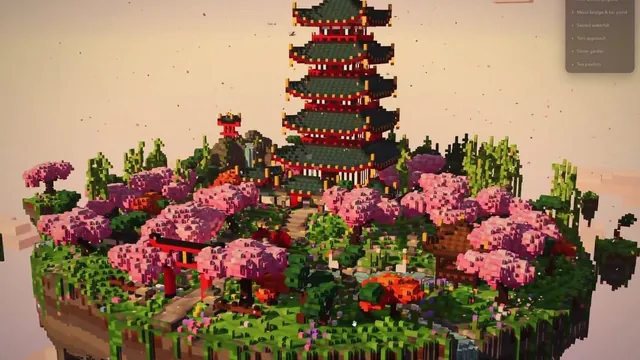
Eine Voxel-Pagode voller winziger Details
Lumina (@LuminaBench) · 104 Likes · 4513 Aufrufe
Eine schwebende Insel mit fünfstöckiger Pagode, Kirschblüten, Teichen und Laternen, die nachts angehen.
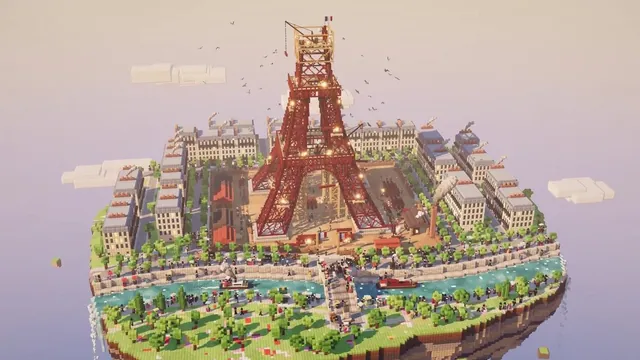
Paris 1888, der Eiffelturm im Bau
Rez (@RezAIT00) · 41 Likes · 4464 Aufrufe
Kräne heben Träger, Nieter sprühen Funken und ein Dampfboot fährt die Seine hinauf, auf einer schwebenden Voxel-Insel. Im ersten Anlauf, aus einem langen, präzisen Prompt.
Prompt anzeigen (so, wie der Macher ihn geteilt hat)
Build a single self-contained three.js HTML page that renders a 14-second animation (1280x720, 30fps, deterministic: expose window.renderAt(t) so every frame can be captured). Scene: a floating voxel diorama island - Paris, 1888, the Eiffel Tower under construction. Everything is already moving on frame 1. Island: - floating chunk with layered rock underside, the Seine curving across the front with stone quays and an arched bridge - Champ de Mars: dirt work yard, stacks of iron girders, wooden sheds, a steam engine with a smoking chimney - around it: rows of Haussmann buildings with cream walls, grey zinc roofs, chimneys, tiny trees along the boulevards The tower (the hero): - dark reddish-brown wrought iron lattice made of thin voxel beams with real X-bracing, not solid blocks - four curved legs and the first platform finished, the second level half built, the top section only a skeleton - wooden scaffolding towers under the legs, small creeper cranes on the structure lifting girders on chains - glowing orange rivet sparks where workers hammer, small puffs of steam Life (hundreds of tiny voxel people, ~3 voxels tall): - riveting teams on every level with hammers swinging, workers walking along beams - girders hoisted by cranes swinging slowly into place - horse-drawn carts carrying iron across the yard, crowds of onlookers in 1880s clothes with top hats and parasols - a riverboat with a smoking funnel moving along the Seine, carriages crossing the bridge, pigeons circling the tower Camera and look: - wide view of the whole island, slow orbit (~25 degrees) with a gentle push-in toward the tower - warm late-afternoon sun, soft shadows, ambient occlusion, light haze, rounded voxels, ACES tone mapping, soft bloom on sparks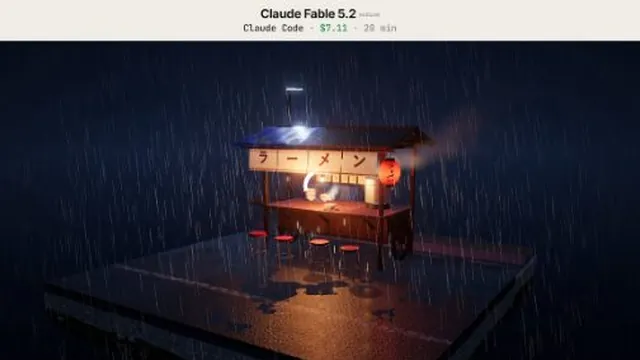
Ein Ramen-Stand in einer verregneten Nacht in Tokio
sprinntt (@sprinntt) · 3 Likes · 1048 Aufrufe
Eine PROMPT.md, ein leerer Ordner, keine Handarbeit, in 20 Minuten für 7 $. Drück T, und der Regen wird langsam zu Schnee.
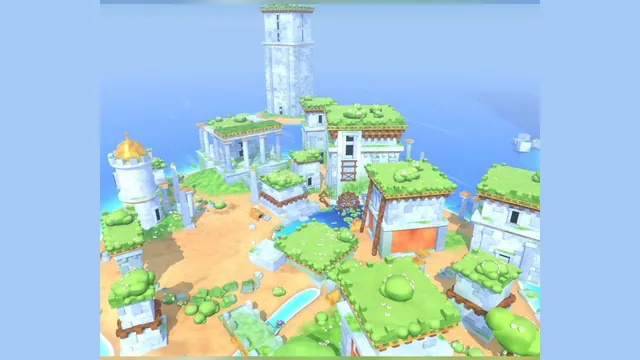
Eine Insel, in Blender nach einer Vorlage nachgebaut
sweetretry · 85 Likes
Nur per Code in Blender gebaut: 130 Objekte, 1,14 Millionen Flächen, keine Texturen, ein drehendes Wasserrad und schwimmende Fische. Was die Vorlage nicht zeigte, hat Fable ergänzt.
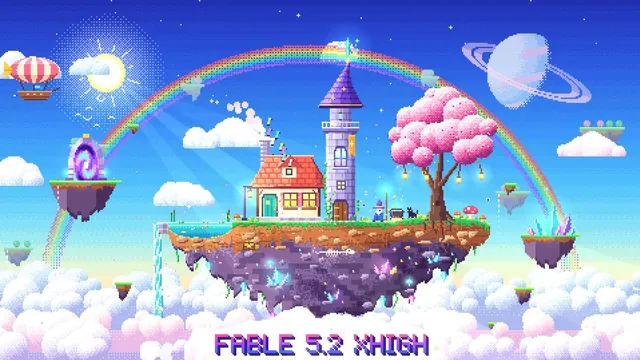
Eine schwebende Pixel-Insel
JUMPERZ (@jumperz) · 75 Likes · 2993 Aufrufe
Eine Pixel-Art-Insel in Endlosschleife mit Zaubererturm, Kirschbäumen, Regenbogen und Luftschiffen. Ein Prompt mit extra hohem Effort.
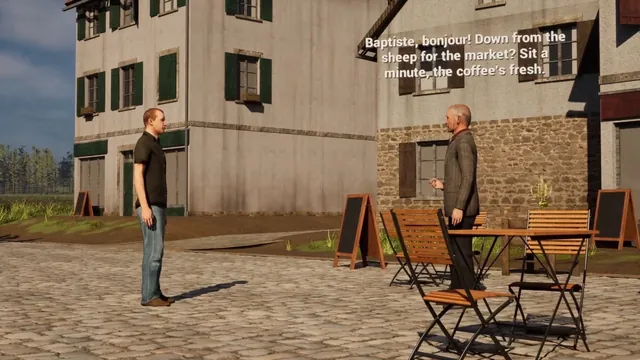
Ein europäisches Dorf, in dem jede Figur denkt
Matthew Berman (@MatthewBerman) · 61 Likes · 5445 Aufrufe
Ein 3D-Dorf, dessen Bewohner mit KI denken und miteinander sprechen, aus Matthew Bermans Test von Fable 5.2.
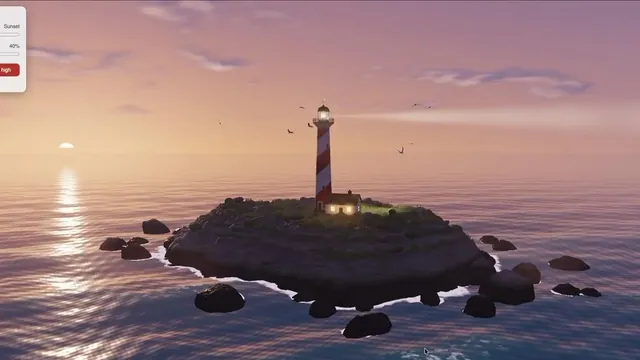
Ein fotorealistischer Leuchtturm im Sonnenuntergang
Not Harris (@viewsfrom02108) · 2 Likes · 305 Aufrufe
Der übliche Leuchtturm-Prompt des Machers auf Fable 5.2: ein gestreifter Turm, ein kreisender Strahl und ruhige See.
Websites und interaktive Seiten
Landingpages und Produktseiten, die beim Scrollen oder Klicken animieren.
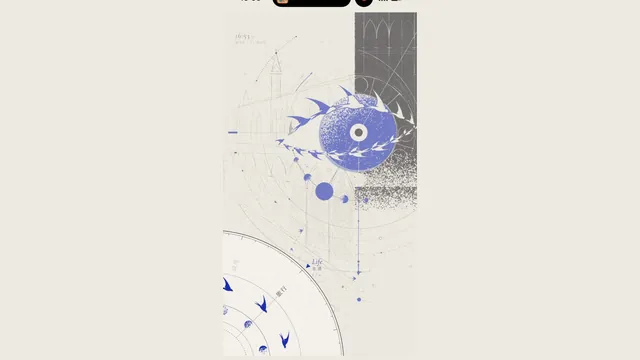
Eine konstruktivistische Chat-App, die ihre Form ändert
396 · 1539 Likes
Die Oberfläche einer KI-Begleiter-App im konstruktivistischen Stil neu gestaltet: Schwalben, Mondphasen, ein nicht menschliches Auge und eine Wendeltreppe, die Chats gezeichnet wie Vermessungskarten und Briefe.
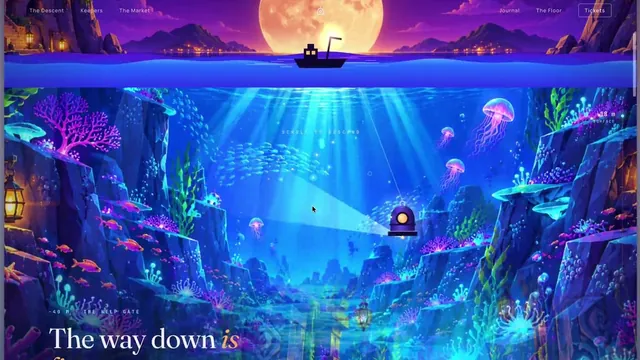
Abyssal: eine Landingpage, die bis auf den Meeresgrund scrollt
Pratzyy (@pratyushrungta) · 9 Likes · 456 Aufrufe
Scroll von einer mondbeschienenen Oberfläche vorbei an leuchtenden Quallen bis zu einer Laternenstadt und einem riesigen Auge im Dunkeln. Mit niedrigem Effort.

Typo aus Glas, Bernstein und flüssigem Metall
Iliyass (@ioTanjiro) · 6 Likes · 282 Aufrufe
Tropfen aus Glas, Bernstein und flüssigem Metall drängen sich durch riesige Überschriften, jedes Material mit eigener Farbwelt.
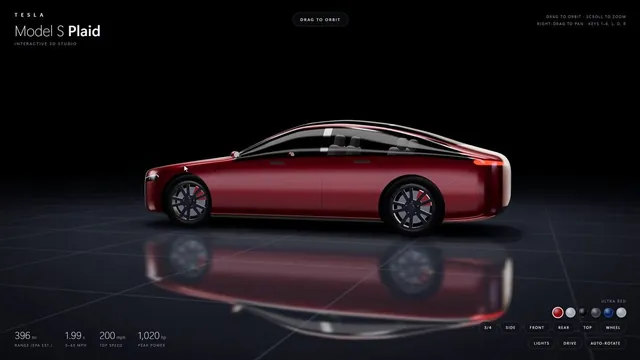
Ein Auto-Konfigurator mit mittlerem Effort
Rez (@RezAIT00) · 3 Likes · 598 Aufrufe
Umkreise eine rote Limousine, ändere Lack und Felgen und wechsle in eine Startansicht mit Lichtstreifen. Zwölf Minuten.
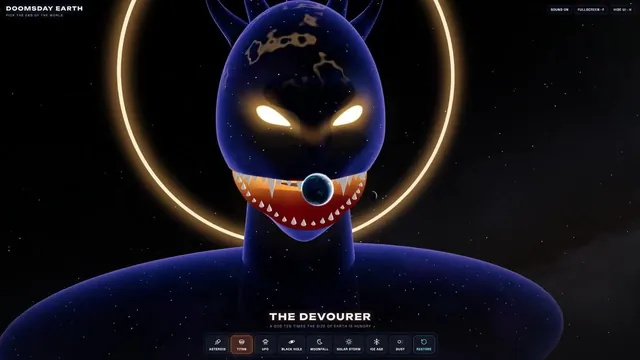
Doomsday Earth: acht Arten, den Planeten zu zerstören
0xVe1vet (@0xVe1vet) · 162 Aufrufe
Die Erde mit echten NASA-Karten und Stadtlichtern und acht Arten, sie zu beenden, vom Asteroiden bis zu einem Gott, der sie wie einen Apfel isst. Im ersten Versuch.
Wissenschaft, Weltraum und Daten
Galaxien, Schwarze Löcher, Viren und der Meeresgrund, oft aus echten Daten.
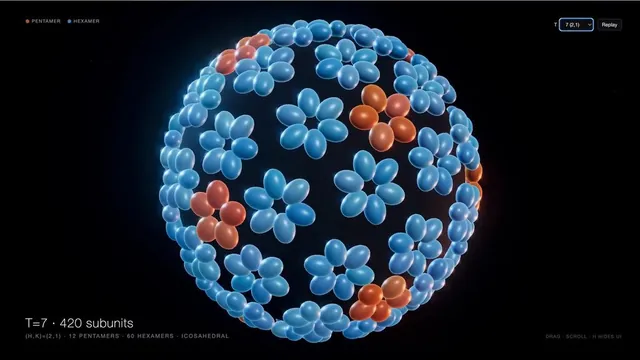
Eine Virushülle, die sich selbst zusammensetzt
Tekon Burns (@TekonBurns) · 55 Likes · 3841 Aufrufe
Eine HTML-Datei: 420 Proteinuntereinheiten bilden eine T=7-Hülle, erst 12 Pentamere, dann 60 Hexamere, dieselbe Geometrie wie bei echten Viren.
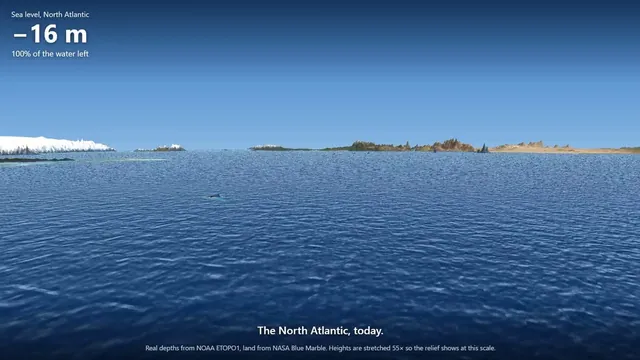
Wie der Atlantik ohne Wasser aussieht
Gul Saeed Khattak (@Ldataengineer) · 4 Likes · 2322 Aufrufe
Echte NOAA-Meeresbodendaten in einem 3D-Überflug, während der Ozean abläuft: Großbritannien verbindet sich in Sekunden mit Europa, dann taucht der Mittelatlantische Rücken auf.
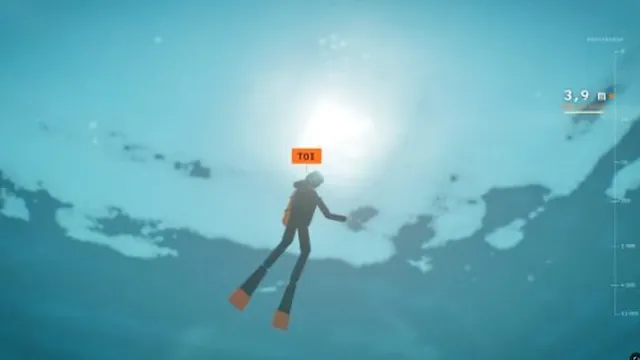
Ein Tauchgang von der Oberfläche auf 40 Meter
g_beyrouti (@g_beyrouti) · 1 Likes · 94 Aufrufe
Sonnenlicht, Fischschwärme und der Lampenstrahl ändern sich mit der Tiefe, mit Tiefenmesser am Rand. Alles Code.
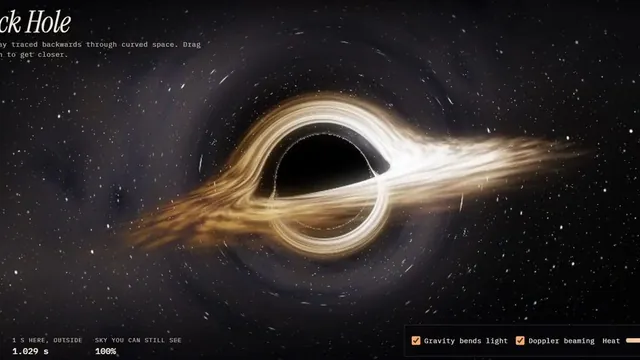
Ein Schwarzes Loch für die Hosentasche
Paul Gegenyi (@paulgrowthlab) · 43 Aufrufe
Gebeten um etwas, das viral geht, baute Fable ein interaktives Schwarzes Loch mit einer leuchtenden Scheibe, die der Gravitationslinseneffekt krümmt.
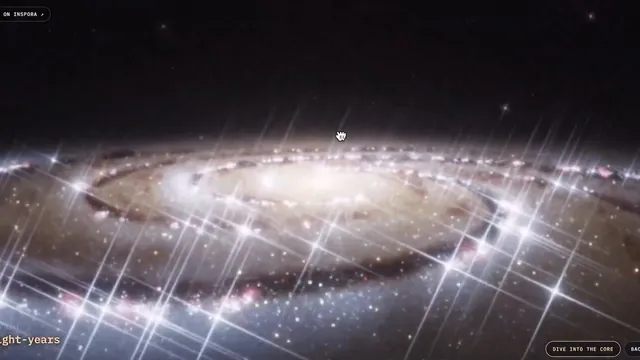
Flug in eine Spiralgalaxie
Marko Vineli (@handsher_NGU) · 24 Likes · 1568 Aufrufe
Start außerhalb einer Spiralgalaxie und hinein, während ein Lichtjahr-Zähler herunterläuft. Etwa 20 Minuten Arbeit.
Mehr von Claude
Die vollständige Liste mit drei Standbildern pro Video steht auf GitHub: awesome-claude-fable-videos. Spiele mit Fable 5.2 findest du unter Spiele mit Claude Fable 5.2, Launch-Filme und Motion Graphics mit Opus 5.5 unter Motion Graphics mit Opus 5.5. Was sich am Modell geändert hat, steht in unserem Leitfaden zu Claude Fable 5.2.
Häufige Fragen
Kann Claude Fable 5.2 Videos generieren?
Nicht so wie ein Videomodell. Es schreibt Code, der jedes Bild zeichnet, in Three.js, WebGL, Remotion oder Blender, und rendert ihn als MP4 oder lässt ihn live im Browser laufen. Darum sind Text, Logos und Details gestochen scharf.
Welche Werkzeuge nutzt es?
Am häufigsten Three.js oder WebGL in einer einzigen HTML-Datei. Andere nutzten Remotion für filmartige Schnitte, Blender per Python und Python oder numpy für die Musik.
Wie lange dauert es und was kostet es?
Von etwa 20 Minuten und 7 $ (der Ramen-Stand in Tokio) bis zu 1,5 Stunden und 35 Millionen Tokens (das Piratenschiff) oder etwa 46 $ auf Fable 5.2 Max (Istanbul).
Kann ich diese Szenen selbst öffnen?
Vier haben eine Live-Seite auf ihrer Karte: das goldene Schiff, das Piratenschiff, das Schwarze Loch und die Galaxie. Der Rest wurde als Video geteilt.
Fable 5.2 oder Opus 5.5 für Video?
Beide werden genutzt. In dem, was gepostet wurde, kam Fable 5.2 vor allem für 3D-Welten und Kurzfilme zum Einsatz und Opus 5.5 für Launch-Filme und Motion Graphics, die wir unter Motion Graphics mit Opus 5.5 gesammelt haben.
Jeder Post und Prompt am 11. und 12. November 2026 auf X und Xiaohongshu geprüft; Likes und Aufrufe sind die Zahlen von diesen Tagen.